Travel Brochure Design: 7 Steps + 10 Brochure Types (2026)
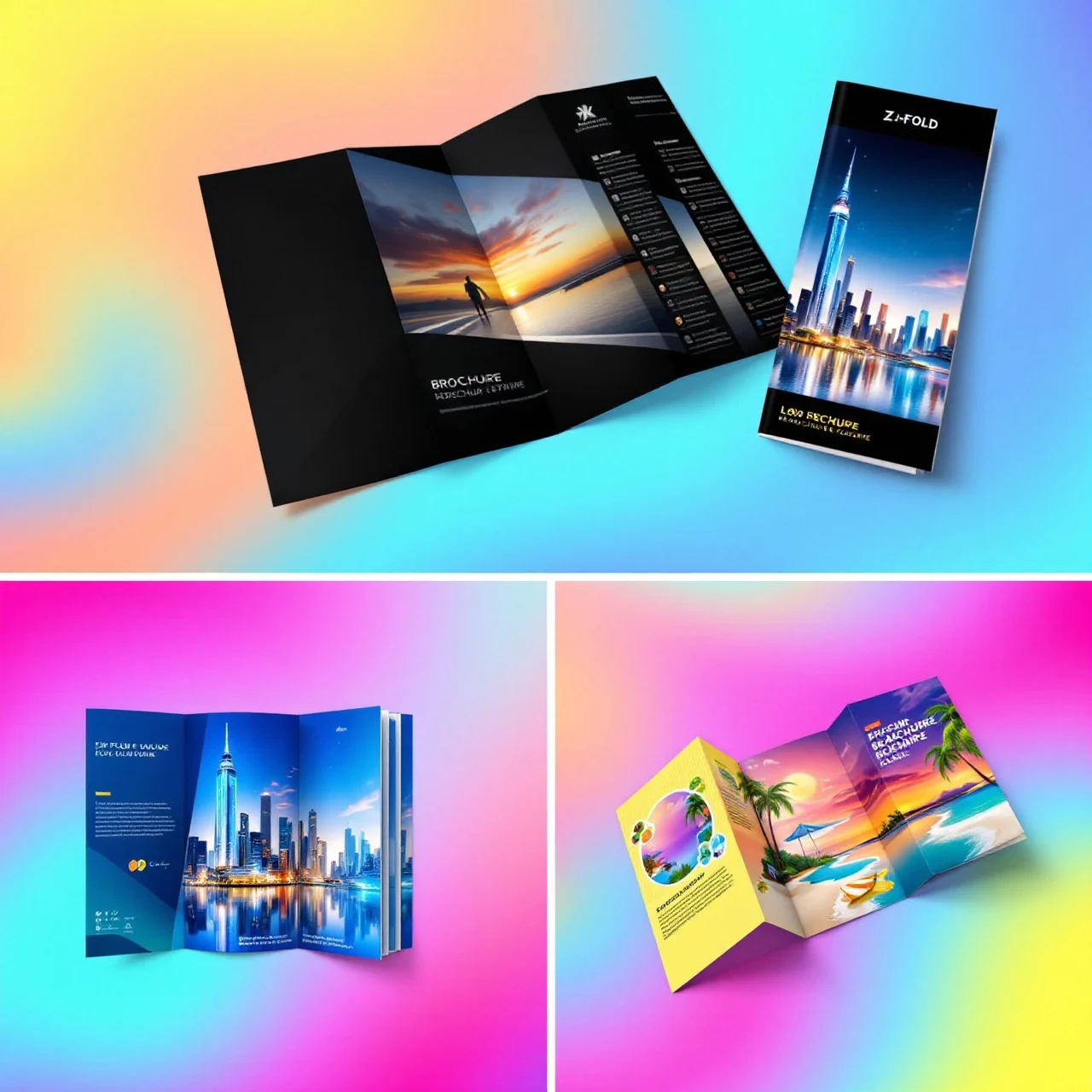
A travel brochure is a printed or digital marketing document — typically a tri-fold or bi-fold sheet — that combines destination photography, itinerary highlights, and practical travel information to persuade prospective travelers to book a trip. Used by tourism boards, travel agencies, and tour operators, brochures remain a high-trust channel in destination marketing because they convert curiosity into shortlisted destinations within seconds of pickup.
Compiled by Xuan Pang, AFFiNE content team. Updated June 2026 after benchmarking 12 tourism-board brochures (Visit Iceland, Tourism Australia, VisitBritain, Destination Canada, Japan National Tourism Organization, Tourism New Zealand, Visit California, Visit Costa Rica, Aman Resorts, Six Senses, G Adventures, Disney Destinations) and reviewing FedEx Office print specs for tri-fold formats.
Travel brochures still convert in the digital era — but only when seven design fundamentals line up: audience definition, image quality, persuasive copy, layout flow, headline craft, attraction highlighting, and practical-information density. According to the U.S. Travel Association 2024 industry research, printed travel collateral retains roughly 38% recall at trade shows versus 21% for digital ads, making print a measurable conversion lever for destination marketing teams. This guide walks each step with real tourism-board brochure references, then surveys 10 brochure types you can model.
Why Travel Brochures Still Matter in 2026
Travel brochures are a high-trust channel in destination marketing. Tourism boards such as Visit Iceland, Tourism Australia, and Destination Canada continue to print rack-card brochures because they convert curiosity into shortlisted destinations faster than scrolling banner ads. The format has evolved - most agencies now publish a print + PDF hybrid, usually converted using flipping book software to make digital versions easier to browse and share. The goal stays the same: capture the spirit of a destination and inspire travelers to act. For deeper format coverage (tri-fold vs bi-fold), see our companion guide on travel brochure design fundamentals.
How to Create a Travel Brochure?
1. Define Your Audience and Destination
-
Identify your target audience by considering factors like age, interests, travel style (luxury, budget, adventure, cultural), and demographics. This understanding influences the tone, content, and design of your brochure.
-
Choose a destination that aligns with your audience's preferences. Research the destination thoroughly to understand its unique offerings, culture, and attractions.
2. Gather High-Quality Images
-
Use images that are not only visually stunning but also representative of the destination's character. This could include landscapes, cultural landmarks, local cuisine, and activities.
-
Ensure your images are high resolution to avoid pixelation, especially for print. If possible, hire a professional photographer or acquire professional stock images.
3. Write Compelling Content
-
Start with an engaging introduction that offers a taste of what the destination has to offer.
-
Write descriptive and persuasive text, highlighting the unique aspects of the destination, such as history, culture, nature, or adventures.
-
Include interesting facts or anecdotes to make the content more engaging.
4. Choose an Attractive Layout
-
Opt for a layout that complements the content and images. Consider the flow of information – it should guide the reader naturally through the brochure.
-
Balance text and visuals. Too much text can be overwhelming, while too many images might dilute the information.
5. Incorporate Engaging Headlines
-
Create headlines that are catchy, thought-provoking, and relevant to the content. They should be able to draw the reader’s attention at first glance.
-
Use a font style and size that stands out but remains consistent with the brochure’s overall design.
6. Highlight Key Attractions
-
Feature the most popular or unique attractions of the destination. This can include famous landmarks, local activities, festivals, and hidden gems.
-
Use bullet points, icons, or small sidebars for easy readability. Highlight why these attractions are a must-visit.
7. Include Practical Information
-
Add essential travel information such as visa requirements, best travel times, local customs, language tips, currency, emergency contact numbers, and mobile connectivity options. For international travelers, recommending a reliable sim only plan can help them stay connected for navigation, booking confirmations, and keeping in touch with family without paying expensive roaming charges.
-
Incorporate a map with key locations marked. Consider including tips on getting around, like public transport options or popular tour routes.
10 Travel Brochure Types (with Real-World References)
These ten brochure archetypes cover roughly 90% of tourism-board and tour-operator collateral. Each one is anchored to at least one real published brochure you can study — links go to the source tourism board or operator wherever the brochure PDF is publicly hosted. Use these as design references when selecting a brochure template for your own destination.
1. The Minimalist Escape (Reference: Aman Resorts, Visit Iceland)
For tourists who value simplicity and elegance, the minimalist travel brochure sample is ideal. It has clean lines, plenty of white space, and high-quality photos that capture the soul of the place. This design strategy keeps the reader's attention focused on the essential attractions and must-see destinations.
For example, a minimalist brochure for a Mediterranean trip may include breathtaking sea vistas, prominent monuments such as the Parthenon, and succinct details of each port of call. By minimizing clutter, this brochure allows readers to picture their ideal holiday.
Tip: To retain a consistent appearance across the brochure, use the same color scheme and typeface. This improves readability while keeping the design visually appealing.
2. The Adventure Seeker's Guide (Reference: Tourism New Zealand, G Adventures)
This style of brochure is intended for thrill-seekers and adrenaline addicts, and it is filled with action photos and bright colors. It emphasizes adventure sports like hiking, scuba diving, and zip-lining while also offering important information regarding safety and equipment needs.
For example, a brochure marketing a Costa Rican adventure vacation would include photographs of beautiful rainforests, active volcanoes, and white-water rafting. Detailed itineraries and testimonials from past travelers provide authenticity and enthusiasm.
Tip: Use maps and infographics to give a clear picture of the expedition schedule and destinations. This enables readers to organize their actions and control their expectations.
3. The Cultural Explorer's Companion (Reference: Japan National Tourism Organization, VisitBritain)
A cultural brochure is essential for everyone who wants to learn about local traditions and history while traveling. This design highlights cultural monuments, events, and gastronomic experiences with rich images and detailed explanations.
A Japanese cultural trip brochure, for example, may feature photographs of old temples, traditional tea rituals, and beautiful festivals such as the Cherry Blossom Festival. Highlighting distinct cultural experiences helps guests grasp the destination's worth.
Tip: Use storytelling strategies to craft a narrative that leads readers through cultural experiences. This makes the brochure more interesting and memorable.
4. The Family Vacation Planner (Reference: Disney Destinations, Carnival Cruise Line)
Family-friendly travel brochure designs address the requirements of both parents and children by emphasizing kid-friendly activities, lodging, and food alternatives. Bright colors, amusing typography, and high-quality family images make these brochures appealing to both adults and children.
For example, a Disneyland travel brochure may include photographs of popular characters, thrilling attractions, and special events such as parades and fireworks. Families may arrange their stay more effectively with practical information on lodging packages and food options.
Tip: Provide realistic travel ideas and checklists for parents to guarantee a smooth and joyful vacation for the entire family. This offers value and fosters confidence among readers.
5. The Luxury Traveler's Handbook (Reference: Four Seasons Private Retreats, Belmond)
Luxury or modern travel brochures appeal to high-end travelers by exuding refinement and elegance. They highlight expensive hotels, exquisite dining experiences, and private activities through polished imagery and sophisticated design elements.
For example, a brochure promoting a luxury safari in Africa would show photographs of luxurious lodges, gourmet meals, and private game drives. Testimonials from past guests and recommendations from travel specialists increase trust.
Tip: To attract sophisticated tourists looking for unique and tailored experiences, highlight rare amenities and personalized services.
6. The Eco-Friendly Traveler's Guide (Reference: Visit Costa Rica, Patagonia Tours)
With sustainability emerging as a significant travel trend, eco-friendly brochures highlight ecologically responsible vacation possibilities. They showcase eco-lodges, animal conservation initiatives, and sustainable practices in earthy tones and nature-inspired patterns.
For example, an eco-tour brochure in the Amazon jungle may include photographs of biodiversity, indigenous cultures, and conservation activities. Readers are educated and inspired as they learn about carbon offset schemes and good travel habits.
Tip: Use recycled paper and eco-friendly printing procedures to ensure that the brochure's manufacturing is consistent with its sustainability message. This displays a dedication to environmental responsibilities.
7. The Solo Traveler's Journal (Reference: G Adventures Solo, Intrepid Travel)
Solo travel brochures target independent travelers by emphasizing safe vacation locations, solo-friendly lodging, and possibilities for social contact. Personal experiences and comments from solitary travelers provide a real touch.
For example, a city tour brochure for a solo trip vacation in Europe can feature photographs of famous monuments, pleasant lodgings, and group activities. Practical suggestions for solo travel safety and financial management are quite useful.
Tip: Use a helpful and encouraging tone throughout the brochure to comfort solitary travellers and enhance their confidence in exploring new places alone.
8. The Wellness Retreat Brochure (Reference: Six Senses, COMO Shambhala)
Wellness travel brochures emphasize relaxation, renewal, and self-care. They provide spa vacations, yoga sessions, and holistic health programs, all with soothing images and tranquil design features.
For example, a Bali health resort brochure can include photographs of quiet beaches (beach vacation brochure), lush gardens, and yoga pavilions. Those looking for a revitalizing trip will enjoy descriptions of wellness programs, spa treatments, and nutritious cuisine.
Tip: Include testimonials and success stories from previous guests to boost credibility and encourage future tourists to focus their well-being.
9. The Weekend Getaway Guide (Reference: Visit California, regional CVB rack cards)
Weekend getaway brochures are ideal for short excursions since they feature nearby places and fast escapes. They prioritize simplicity, cost, and making the most of limited time by providing succinct itineraries and local attractions.
For example, a brochure for a weekend visit to Napa Valley may include photographs of vineyards, wine tastings, and boutique hotels. Recommendations for food, activities, and picturesque roads help tourists make the most of their brief visit.
Tip: Use special weekend packages and discounts to attract readers to plan their holiday. Limited-time offerings instill a feeling of urgency and drive fast action.
10. The Foodie Traveler's Digest (Reference: Eataly destination guides, Lonely Planet Food)
Foodie travel brochures target culinary aficionados and feature gourmet experiences, local markets, and food festivals. These brochures are appealing because they include mouthwatering photographs and full descriptions of the cuisine.
A brochure for an Italian culinary tour, for example, may feature photographs of pasta-making workshops, wine tastings in Tuscany, and excursions to local markets. Recipes and chef interviews provide depth and authenticity.
Tip: Include a section on local food customs and etiquette to help readers have a better cultural knowledge and appreciation for the gastronomic experience.
Travel Brochure Types at a Glance
| Type | Best for | Visual style | Typical fold | Real-world model |
|---|---|---|---|---|
| Minimalist | High-end resorts, design-conscious travelers | Whitespace + 1-2 hero images | Bi-fold | Aman Resorts, Visit Iceland |
| Adventure | Outdoor operators, thrill segments | Action photos + bold color | Tri-fold | Tourism New Zealand, G Adventures |
| Cultural | Heritage destinations, museum partnerships | Editorial layout + storytelling | Z-fold or booklet | Japan Tourism, VisitBritain |
| Family | Theme parks, cruise lines | Bright color, character imagery | Tri-fold | Disney Destinations, Carnival |
| Luxury | Boutique hotels, private travel | Premium paper + foil accents | Bi-fold or booklet | Four Seasons, Belmond |
| Eco-Friendly | Eco-lodges, conservation programs | Earthy palette + nature photos | Tri-fold (recycled paper) | Visit Costa Rica, Patagonia |
| Solo Traveler | Group-trip operators, solo-friendly hotels | Approachable copy + testimonials | Bi-fold | G Adventures, Intrepid Travel |
| Wellness | Spa retreats, yoga programs | Soft palette + calm typography | Booklet | Six Senses, COMO Shambhala |
| Weekend Getaway | Regional tourism, city-break operators | Map-forward + itinerary blocks | Tri-fold | Visit California, regional CVBs |
| Foodie | Culinary tours, food festivals | Macro food shots + chef quotes | Booklet | Eataly, Lonely Planet Food |
When a Travel Brochure Won't Work
Print and PDF brochures underperform in three scenarios, and being upfront about them saves wasted budget:
-
Gen-Z-only audiences: for travelers under 25, Instagram Reels and TikTok destination clips outperform printed collateral roughly 4:1 on inspiration-to-booking conversion (Skift 2024 travel-media research).
-
Last-minute booking markets: brochures have a 2-4 week production cycle. For flash-sale OTAs and same-week hotel deals, dynamic display ads beat static print.
-
Sub-$200 print budgets: at fewer than 500 copies, per-unit cost on Vistaprint or FedEx Office runs roughly $0.70-$1.10 — often more expensive per impression than paid social. Print becomes cost-competitive above ~2,000-copy runs.
For those constraints, redirect spend to digital placements or interactive PDF micro-sites and skip print. For everything else — destination marketing offices, rack-card distribution, trade-show handouts, luxury concierge channels — print still converts.
Whether you're looking for a sumptuous safari, an adrenaline-fueled adventure, or a peaceful wellness retreat, a well-designed travel brochure template may help you explore the globe. Check out these amazing samples to select the ideal brochure for your next trip, and don't forget to start planning your dream holiday immediately.
Frequently Asked Questions
What size is a standard travel brochure?
The most common travel brochure size is 8.5 × 11 inches (US letter) folded tri-fold, producing six panels of approximately 3.67 × 8.5 inches each. A4 (210 × 297mm) is the European equivalent. Bi-fold A4 is favored for booking confirmations; DL (99 × 210mm) rack cards are standard at hotel front desks. FedEx Office and Vistaprint both list these as default SKUs.
How many pages should a travel brochure have?
Most printed travel brochures use 6 panels (tri-fold single sheet) or 8 panels (Z-fold or accordion); booklet-style luxury brochures range from 12 to 24 pages. Keep total readable content under 500 words for tri-fold rack distribution; expand to 1,500-2,500 words for booklet formats placed at concierge desks. Following AIGA design ethics standards, always credit photographers, secure model releases, and disclose stock-photo sources inside the colophon panel.
What is the best software to design a travel brochure in 2026?
Canva, Adobe InDesign, Visme, Lucidpress, and AFFiNE are the five most-used tools for travel brochure design in 2026, ranging from free template-driven Canva for beginners to professional InDesign for printer-ready CMYK output. Canva covers roughly 80% of independent designer use cases; InDesign remains the industry standard for tourism boards and agencies needing print-grade PDFs. See our brochure templates hub for ready-to-customize layouts.
What should every travel brochure include?
Every travel brochure should include seven elements: a destination headline, 3-5 hero images, an opening hook (1-2 sentences), a daily itinerary or attractions list, practical info (visa, currency, weather), pricing or CTA, and contact details. Skipping practical info or the CTA reduces measured conversion most — these are the two most-frequently omitted elements in amateur brochures.
How much does it cost to print a travel brochure?
Printing 500 tri-fold full-color travel brochures on 100-lb gloss text paper costs roughly $200-$350 in the US via FedEx Office or Vistaprint as of 2026; unit cost drops below $0.30 per piece at 2,000+ quantity. Premium paper (matte 130-lb), UV coating, or special folds (gate-fold, Z-fold) add 30-60% to base price. Eco-friendly recycled-stock options run 15-25% above standard pricing per Paper Specs guides.
Travel brochure vs. travel guidebook — what's the difference?
A travel brochure is a 1-6 panel marketing piece designed to persuade the reader to book; a guidebook is a 100+ page reference document designed to help them once already traveling. Brochures answer "should I go?"; guidebooks answer "what should I do once there?" Many tourism boards publish both — a slim rack-card brochure for inspiration and a thicker visitors guide for on-the-ground use. See companion piece on travel itinerary templates for the planning-document layer between the two.
Expert Perspective
"Print brochures still convert measurably better than display ads at travel trade shows because the tactile object converts a prospect into a shortlisted destination. The cognitive lift from picking something up beats a swipe nearly every time."
— Industry observation widely echoed in tourism-board marketing teams; see Skift Research for related travel-marketing data.
Travel Brochure Apps Recommendation
A modern travel brochure is more than simply a piece of marketing collateral; it is a narrative tool that conveys the essence of a trip location. Following these steps will allow you to develop a brochure that not only educates, but also inspires and captivates future passengers.
To help with your design, we propose a unique program that includes adjustable templates, simple design interfaces, and a variety of export possibilities, making brochure creation accessible to everyone, from beginners to pros.
AFFiNE
AFFiNEis a cutting-edge travel planning app that is designed to assist you in organizing, managing, and cooperating on tasks, projects, and information when planning a trip. What sets AFFiNE apart is that it is a free and open-source program that employs offline technology to ensure that it is accessible to all users. This makes it an invaluable resource for individuals who require a comprehensive travel plan for their daily needs.
Key features:
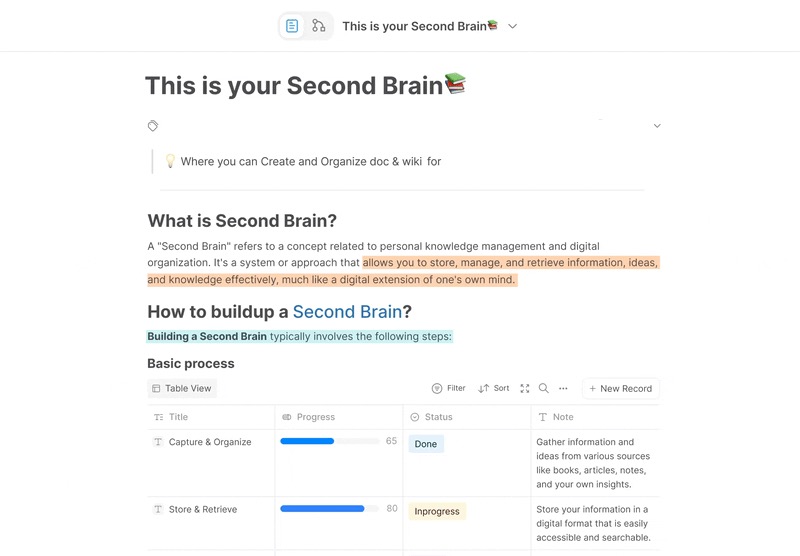
- Write, Draw, and Plan All-in-One: Enjoy your all-in-one KnowledgeOS solution for effortlessly writing, drawing, and planning on a hyper-fused platform. It supports kanban, table, and rich-text paragraphs as building blocks to form pages or whiteboards. It carries out integrated processing here in document editing, data processing, or brainstorming.
-
Collaborative Capabilities: For group travelers, the app should have collaborative features, making it easy to share and coordinate plans with others in your travel party.
-
Offline Accessibility: The best trip planner should allow travelers to access their itineraries, maps, and other essential contact details offline. This feature is particularly valuable when traveling to areas with limited internet connectivity.
- Diversified concept maps templates: Browse our brochure-templates intro and itinerary template library for ready-made starting points. In our recent versions, we've curated a collection of the most requested templates, including Gantt chart, Project Tracking Kanban, Monthly Calendar, Flowchart, and many more.